
Introduction
A slow-draining bathroom sink or a shower that turns into a shallow pool every time you bathe is more than just an annoyance. It’s usually the first sign that your bathroom drain needs attention. Bathroom drain cleaning isn’t glamorous, but it’s one of those small maintenance jobs that saves you from big plumbing headaches (and bigger repair bills) down the line.
In this guide, we’ll walk through why bathroom drains clog so often, how to clean them yourself using simple tools and techniques, when a bathroom drain cover can help, and how to deal with issues in your broader bathroom water drain system.
Why Bathroom Drains Clog So Easily
Bathroom drains have a tougher job than most people realize. Every day, they deal with:
- Hair strands from washing and grooming
- Soap scum and shampoo residue that hardens over time
- Skin cells and body oils
- Toothpaste buildup
- Mineral deposits from hard water
Unlike kitchen drains, which mostly deal with food particles, bathroom drains collect a sticky combination of hair and soap that binds together into a stubborn mass. Over weeks and months, this buildup narrows the pipe until water barely trickles through.
Signs Your Bathroom Drain Needs Cleaning
Before jumping into how to clean a bathroom drain, it helps to recognize the warning signs early:
- Water pooling around your feet in the shower
- A gurgling sound coming from the drain
- A musty or sour smell near the sink or tub
- Water draining noticeably slower than usual
- Frequent need to plunge the sink
If you notice even one of these signs, it’s time to act before the clog becomes a complete blockage.
How to Clean Bathroom Drain: Step-by-Step
Here’s a practical, do-it-yourself approach to bathroom drain cleaning that works for most household clogs.
1. Remove the Drain Cover
Start by taking off the bathroom drain cover or stopper. Most covers simply lift off or unscrew with a slight twist. This gives you direct access to the drain opening, where hair and debris tend to collect first.
2. Pull Out Visible Debris
Using gloved fingers or a bent wire hanger, gently pull out any visible hair or gunk sitting near the drain opening. You’ll be surprised how much of the clog is sitting right at the surface. A drain-cleaning tool with small hooks, available at most hardware stores, makes this step even easier and less messy.
3. Try a Natural Cleaning Solution
For mild clogs, a baking soda and vinegar combination works wonders:
- Pour half a cup of baking soda down the drain
- Follow it with half a cup of white vinegar
- Let the mixture fizz and sit for about 15 minutes
- Flush with hot water
This natural method breaks down soap scum and mild buildup without damaging your pipes, unlike harsh chemical cleaners.
4. Use a Plunger
If water is still draining slowly, a plunger can help dislodge the blockage. Fill the sink or tub with a couple of inches of water first, then plunge firmly several times. The suction pressure often pushes the clog further down or breaks it apart.
5. Try a Drain Snake
For deeper clogs that home remedies can’t reach, a plumbing snake or drain auger is your best bet. Insert it into the drain, twist gently, and push it further in until you feel resistance. Rotate to catch the debris, then pull it back out slowly.
6. Clean the Bathroom Drain Cover Separately
While you’re at it, don’t forget the bathroom drain cover itself. Soap scum and grime build up on covers too, especially the mesh or slotted types. Soak it in warm soapy water and scrub with an old toothbrush before putting it back.
When to Replace Your Bathroom Drain Cover
A worn-out or damaged bathroom drain cover isn’t just a cosmetic issue. Cracked or loose covers let larger debris slip through, leading to faster clogging. If your cover no longer sits flush, has rusted, or has broken hinges, it’s worth replacing. New drain covers are inexpensive and come in various designs to match your bathroom fittings, including mesh strainers that catch hair before it ever reaches the pipe.
Understanding Your Bathroom Water Drain System
Your bathroom water drain isn’t just the visible opening in the sink or shower floor. It connects to a network of pipes, traps, and vents that carry wastewater away from your home. A few things worth knowing:
- P-traps hold a small amount of water to block sewer gases from entering your bathroom. These can also collect debris and may need periodic cleaning.
- Vent pipes allow air to flow through the system, helping water drain smoothly. A blocked vent can cause gurgling sounds even when the drain itself is clear.
- Main drain lines carry water from multiple fixtures. If several drains in your bathroom are slow at once, the issue might lie further down the line, not just at the surface.
Regularly flushing your bathroom water drain system with hot water, even once a week, helps prevent soap and grease buildup from settling in the pipes.
Preventive Tips to Avoid Future Clogs
A little routine care goes a long way in keeping your bathroom drains healthy:
- Install a mesh drain cover to catch hair before it enters the pipe
- Avoid washing large clumps of hair down the sink
- Run hot water through the drain after each shower
- Do a baking soda and vinegar rinse once a month
- Schedule a professional drain inspection once a year, especially in older homes
When to Call a Professional Plumber
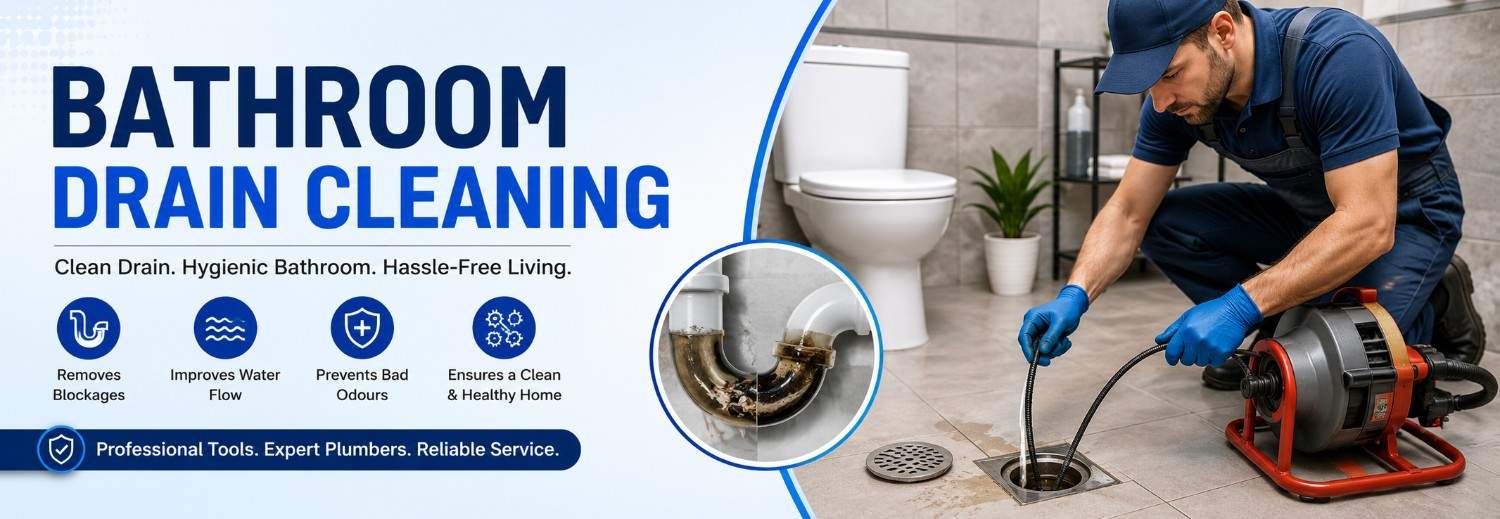
DIY methods handle most everyday clogs, but some situations call for expert help. If you’ve tried plunging and snaking without success, if water backs up in multiple fixtures at once, or if you notice a persistent bad smell even after cleaning, it’s time to bring in a professional. Deep-rooted blockages or damaged pipes need specialized equipment like motorized drain augers or hydro-jetting, tools that go well beyond what a household plumbing kit can offer.
Conclusion
Bathroom drain cleaning doesn’t have to be a dreaded chore. With a bit of regular attention, the right tools, and an understanding of how your bathroom water drain system works, you can keep water flowing smoothly and avoid unpleasant surprises. Start with the simple steps above, keep your bathroom drain cover in good shape, and call in a professional when a clog proves stubborn.
Frequently Asked Questions (FAQs)
1. How often should I clean my bathroom drain?
For most households, cleaning your bathroom drain once a month is enough to prevent major clogs. Homes with long hair or hard water may need to do it every two to three weeks.
2. Can I use chemical drain cleaners for bathroom drains?
Chemical cleaners can work, but frequent use may damage older or plastic pipes over time. Natural alternatives like baking soda and vinegar are gentler and just as effective for regular maintenance.
3. Why does my bathroom drain smell bad even after cleaning?
A lingering smell usually points to a dry P-trap, trapped organic matter deeper in the pipe, or a blocked vent. If cleaning the visible drain doesn’t fix it, the issue may lie further down the drain line.
4. What's the best type of bathroom drain cover to prevent clogs?
Mesh or fine-slotted drain covers work best since they catch hair and small debris before it enters the pipe. Silicone covers are also popular as they’re flexible, easy to clean, and fit most standard drains.
5. How do I know if my bathroom drain clog needs a professional plumber?
If a clog doesn’t clear after plunging and snaking, or if multiple drains in your home are backing up simultaneously, it’s a sign of a deeper blockage that needs professional equipment and expertise.