
Introduction
A blocked or slow drain is one of those household problems that can quickly turn from a minor inconvenience into a serious plumbing issue. Water may drain slowly, unpleasant smells can develop, or you may notice water backing up in your sink, bathroom, or floor drain. When these signs appear, hiring a professional Drain Cleaning Plumber can save you time, prevent further damage, and restore proper drainage.
While some minor clogs can be handled with simple household methods, recurring blockages often indicate a deeper problem inside the drainage system. A professional plumber has the experience, tools, and knowledge to identify the cause rather than simply treating the visible symptom.
This guide explains what drain cleaning involves, when you should call a plumber, how professional drain cleaning works, and what you should look for when choosing a plumbing professional.
What Does a Drain Cleaning Plumber Do?
A Drain Cleaning Plumber specializes in identifying and clearing blockages from residential and commercial drainage systems. Unlike a quick DIY fix, professional drain cleaning focuses on removing the obstruction properly and checking whether another issue is causing the blockage.
Common problems handled by drain cleaning professionals include:
- Kitchen sink blockages
- Bathroom drain clogs
- Shower and bathtub drainage problems
- Floor drain blockages
- Toilet drainage issues
- Main drain blockages
- Recurring slow drains
- Foul smells coming from drains
- Water backing up through drainage outlets
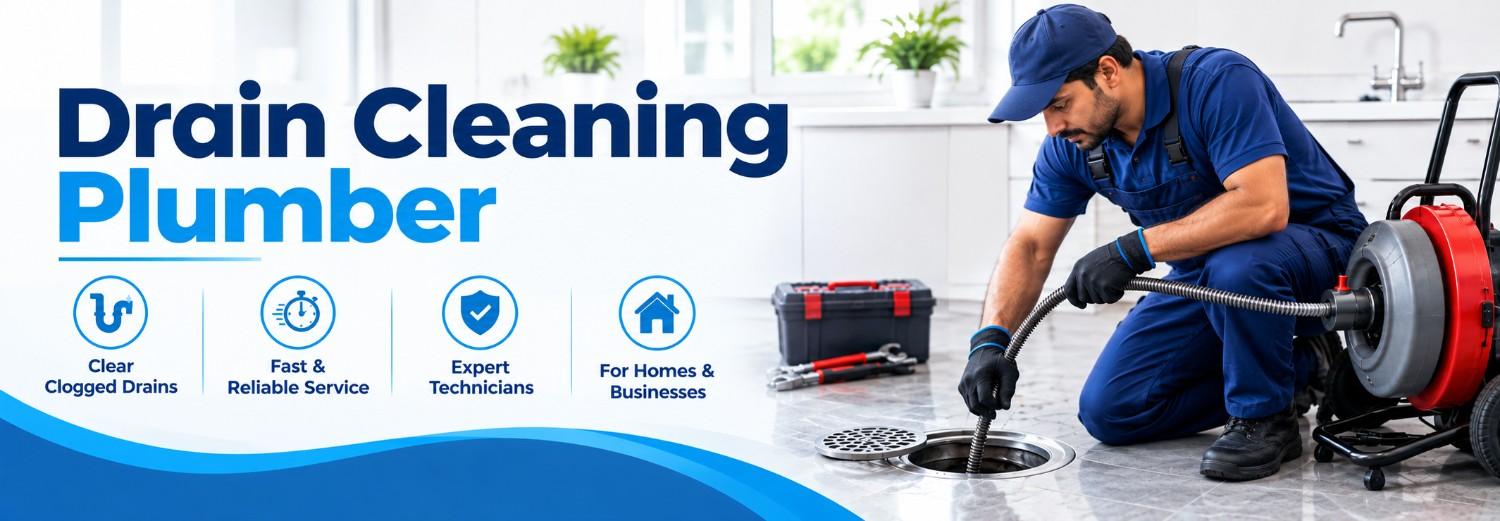
Depending on the problem, a plumber may use tools such as drain snakes, plungers, hydro-jetting equipment, inspection cameras, or other specialized plumbing equipment.
What Causes a Blocked Drain?
Understanding the cause of a blockage can help homeowners prevent the same problem from happening again.
1. Hair and Soap Buildup
Bathroom drains commonly become blocked because of hair, soap residue, shampoo, and other materials that gradually accumulate inside the pipe.
2. Grease and Food Waste
Kitchen drains are particularly vulnerable to grease, oil, food particles, and other waste. Grease may stick to the inner walls of the pipe and gradually restrict water flow.
3. Foreign Objects
Small objects accidentally entering a drain can create an obstruction. In homes with children, items such as toys or other objects can occasionally end up in plumbing fixtures.
4. Pipe Damage
A blockage isn’t always caused by waste buildup. Cracked, collapsed, misaligned, or damaged pipes can also interfere with drainage.
5. Tree Roots
Outdoor drainage lines can sometimes be affected by tree roots. Roots may enter small cracks or joints in underground pipes and gradually restrict the flow.
6. Poor Drainage Design
If a drain repeatedly becomes blocked despite regular cleaning, the underlying problem may involve pipe slope, connections, pipe size, or the overall drainage layout.
What Are the Signs You Need a Drain Cleaning Plumber?
Not every slow drain requires an emergency plumbing visit. However, certain warning signs should not be ignored.
A professional plumber for drain cleaning may be necessary if you notice:
- Water draining unusually slowly
- Frequent drain blockages
- Gurgling sounds from pipes
- Persistent unpleasant drain odours
- Water backing up into sinks or bathrooms
- Multiple drains becoming slow at the same time
- Overflowing floor drains
- Repeated need for chemical drain cleaners
If several drains are affected simultaneously, the issue may be located further down the main drainage line rather than in a single fixture.
Why Professional Drain Cleaning Is Better Than Repeated DIY Fixes
A plunger or basic drain-cleaning tool can sometimes resolve a small surface-level blockage. However, repeatedly treating the same problem without finding its cause can waste both time and money.
A professional plumber to clean drains can assess the condition of the drainage system and determine whether the obstruction is caused by grease, hair, accumulated debris, roots, or another issue.
Professional cleaning can also reduce the risk of damaging pipes through improper use of tools or aggressive chemicals.
The goal should not simply be to make water disappear temporarily. The goal is to restore reliable drainage and identify problems that could cause another blockage.
How Does Professional Drain Cleaning Work?
The exact process depends on the location and severity of the blockage, but a professional service generally follows a systematic approach.
Step 1: Identify the Problem
The plumber first asks about the symptoms and checks affected fixtures. This helps determine whether the issue is localized or part of a larger drainage problem.
Step 2: Inspect the Drain
The plumber may inspect the drain opening, trap, accessible pipe sections, or other components to locate the obstruction.
For difficult or recurring blockages, specialized inspection equipment may be used.
Step 3: Select the Appropriate Cleaning Method
Different blockages require different approaches. A plumber may use mechanical drain-cleaning equipment, a drain snake, pressure-based cleaning, or another suitable method.
Step 4: Clear the Blockage
The selected equipment is used to break through or remove the obstruction while minimizing unnecessary stress on the plumbing system.
Step 5: Test the Drain
After cleaning, water flow is tested to ensure that the drain is working correctly.
Step 6: Identify Preventive Measures
If the blockage is likely to return, the plumber can explain what caused it and recommend practical ways to reduce future problems.
When Should You Search for “Drain Cleaning Plumbers Near Me”?
Searching for drain cleaning plumbers near me can be useful when you need a professional who can reach your property without unnecessary delays.
Local plumbing professionals may be particularly helpful when:
- Water is backing up rapidly
- A bathroom or kitchen drain is unusable
- Several drains are blocked
- You suspect a main-line blockage
- There is an unpleasant sewage smell
- Drainage problems keep returning
- You cannot identify the source of the blockage
When choosing a local plumber, don’t rely only on proximity. Look for relevant experience, transparent communication, appropriate equipment, customer reviews, and clear information about the services provided.
How to Choose a Reliable Drain Cleaning Plumber
Finding a plumber is easy; finding the right plumber is more important.
Before booking a service, consider the following factors.
Experience
Look for a professional who regularly handles drainage problems. Experience can make it easier to distinguish between a simple clog and a more serious plumbing issue.
Proper Equipment
Modern drain cleaning may require more than a basic plunger. Depending on the situation, specialized tools can help identify and clear difficult blockages.
Transparent Pricing
Ask about service charges and potential additional costs before work begins. Clear communication helps avoid unpleasant surprises.
Reviews and Reputation
Customer feedback can provide useful insight into punctuality, workmanship, communication, and overall service quality.
Diagnosis Before Treatment
A good plumber should try to understand why the drain is blocked rather than immediately applying the same solution to every situation.
How Can You Prevent Drain Blockages?
Regular maintenance can significantly reduce the likelihood of serious drainage problems.
Here are some simple habits that can help:
Keep food waste out of drains: Use a kitchen strainer and dispose of food scraps properly.
Avoid pouring grease down the sink: Allow cooking oil and grease to cool and dispose of them appropriately.
Use hair catchers: Installing a drain screen in showers and bathroom sinks can prevent hair from entering the pipe.
Don’t flush unsuitable items: Toilets should only be used for materials designed to be flushed.
Clean accessible drains regularly: Basic maintenance can help prevent buildup from becoming a major obstruction.
Pay attention to slow drainage: A drain that repeatedly becomes slow may be warning you about a developing problem.
Are Chemical Drain Cleaners Safe?
Chemical drain cleaners may provide a temporary solution for some types of clogs, but they are not always the best choice.
Repeated or improper use can create risks for certain plumbing systems and may also make professional drain cleaning more difficult or hazardous. If a drain repeatedly becomes blocked, identifying the underlying cause is generally more useful than repeatedly using a chemical product.
When you’re unsure about the condition of your pipes, consulting a qualified plumbing professional is a safer approach.
Why Acting Early Can Save You Money
A small drainage problem is usually easier to manage than a major blockage accompanied by water damage.
Ignoring slow drainage can allow debris to accumulate further inside the pipe. In some cases, a developing blockage can eventually result in wastewater backing up into the property.
Getting professional help when you first notice recurring drainage problems can make diagnosis and repair more straightforward.
Get Professional Plumbing Help With Expert Plumber India
A blocked drain can disrupt your entire day, but you don’t have to deal with recurring drainage problems on your own. Whether you have a slow kitchen sink, blocked bathroom drain, unpleasant odours, or a more serious drainage issue, getting the problem assessed by a professional can help restore your plumbing system.
Conclusion
A blocked or slow drain should never be ignored, especially when the problem keeps coming back. From hair and grease buildup to damaged pipes and deeper drainage issues, identifying the actual cause is essential for a long-term solution. A professional Drain Cleaning Plumber can inspect the problem, use the right cleaning method, and help prevent future blockages.
Expert Plumber India helps homeowners find practical plumbing solutions for common drainage and plumbing requirements. If you need a reliable Drain Cleaning Plumber, visit Expert Plumber India to explore plumbing services and find the right assistance for your drainage needs.
The sooner you address recurring drainage problems, the easier it can be to prevent them from developing into larger plumbing concerns.
FAQs
There is no fixed schedule for every home. Drains should be professionally cleaned when they become repeatedly slow, blocked, or develop persistent odours. Regular maintenance may be useful for properties with frequent drainage issues.
The appropriate method depends on the cause and location of the blockage. A professional plumber can inspect the problem and select a suitable method, such as mechanical cleaning or specialized pressure-based equipment.
Look for local plumbers with relevant drainage experience, good customer reviews, transparent pricing, and appropriate equipment. Don’t choose solely based on the lowest quoted price.
Yes. Professional plumbers have specialized tools designed to deal with many types of blockages. However, if the blockage is caused by damaged or collapsed pipes, additional repair may be required.
Recurring blockages can indicate grease buildup, pipe damage, tree-root intrusion, poor drainage design, or another underlying issue. A professional inspection can help identify the actual cause.