
Introduction
A slow sink, a gurgling toilet, or water pooling near your feet in the shower are early warning signs of drain blockage. Left untreated, a small clog can turn into a full blocked drainage system that disrupts your entire home. In this guide, we break down exactly what causes drain blockage, how to spot the symptoms early, and what you can do to fix and prevent a blocked drain for good.
Whether you are dealing with a single stubborn clog or a recurring issue across multiple fixtures, understanding the root cause is the first step toward a lasting fix.
What Causes Drain Blockage?
Drain blockage rarely happens overnight. It usually builds up gradually as waste, debris, and residue accumulate inside the pipe walls. Over time, this buildup narrows the passage until water can no longer flow freely.
Here are the most common culprits behind a blocked drain:
-
Grease and cooking oil
When hot oil goes down the kitchen sink, it cools and solidifies inside the pipe. This sticky layer traps food particles and other debris, forming a thick clog that only gets worse with every wash.
-
Hair and soap scum
Bathroom drains are especially prone to hair buildup. Combined with soap residue, hair forms a dense mat that clings to pipe walls and slows drainage over weeks or months.
-
Foreign objects
Cotton buds, wipes, sanitary products, and small toys are common causes of sudden, severe blockages, particularly in toilets. These items do not break down and often get lodged at pipe bends.
-
Mineral and scale buildup
In areas with hard water, mineral deposits gradually coat the interior of pipes. This reduces the internal diameter and makes the whole drainage system more vulnerable to clogs.
-
Tree root intrusion
For older homes, tree roots seeking moisture can infiltrate underground drainage pipes through small cracks or joints. As roots grow, they choke the pipe from outside in, causing recurring blockages.
-
Poor pipe design or damage
Pipes with too many tight bends, incorrect slope, or physical damage such as cracks and misalignment collect debris faster than a well-designed system. This is why the quality of your drainage pipes matters as much as your daily habits.
Signs of a Blocked Drainage System
Recognizing the early signs of blockage helps you act before the problem escalates. Watch for these indicators:
- Water draining slower than usual from sinks, tubs, or showers
- Gurgling sounds coming from drains or toilets
- Unpleasant odors rising from sinks or floor drains
- Water backing up in one fixture when another is used, such as a toilet backing up during a washing machine cycle
- Visible water pooling around floor drains or outdoor pipes
If you notice more than one of these symptoms at the same time, the blockage may not be limited to a single fixture. It could point to a deeper issue within the main drainage line.
How to Fix a Blocked Drain
Once you understand what causes drain blockage, tackling it becomes far more manageable. Here is a practical approach, starting with the simplest methods first.
Start With Hot Water and a Plunger
For minor clogs, pouring hot water down the drain can soften grease buildup. Follow this with a plunger to dislodge loose debris. This combination often clears simple blockages without any tools or chemicals.
Try a Natural Cleaning Solution
A mix of baking soda and vinegar, followed by hot water after fifteen minutes, can break down organic buildup gently. This method is safer for your pipes than harsh chemical cleaners, which can corrode older piping over time.
Use a Drain Snake for Deeper Clogs
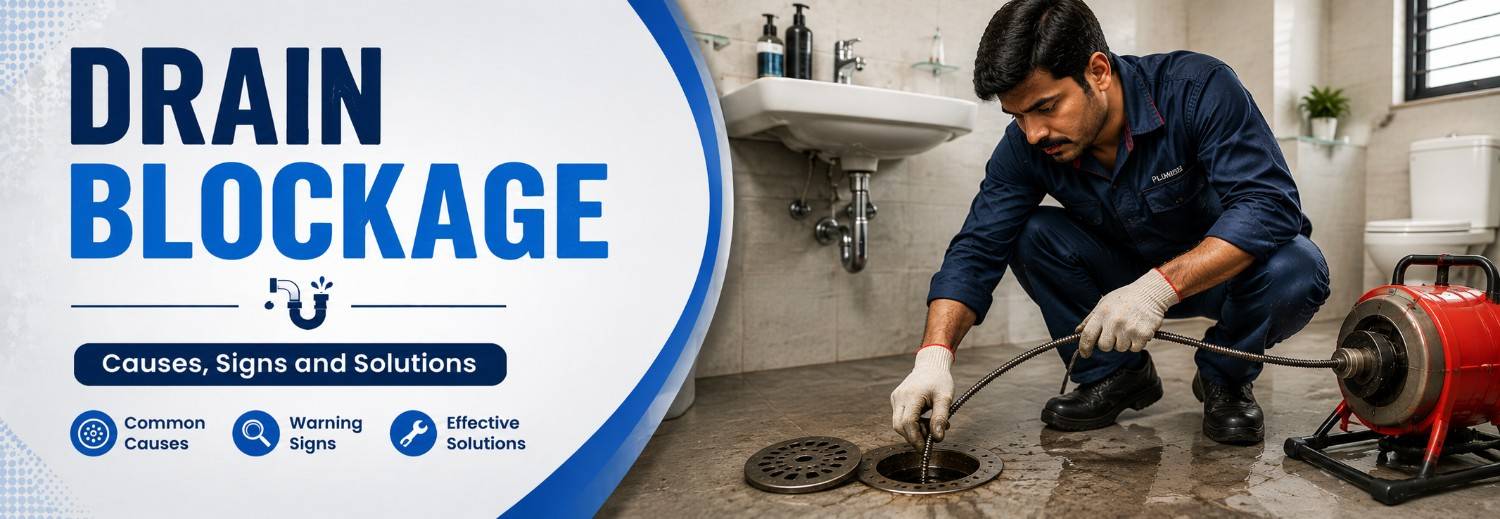
When water still refuses to drain, a drain snake or plumber’s auger can physically reach further into the pipe to break apart or pull out the blockage. This works especially well for hair and foreign object clogs.
Inspect and Clean the P-Trap
The curved pipe beneath sinks, known as the P-trap, is a common collection point for debris. Unscrewing and cleaning it out can resolve blockages that simpler methods fail to fix, particularly under kitchen and bathroom sinks.
Call a Professional for Persistent Issues
If blockages keep returning despite your efforts, the cause may lie deeper in the drainage system, such as root intrusion, pipe damage, or incorrect slope. A professional plumber can use camera inspection tools to pinpoint the exact location and severity of the problem.
Preventing Future Drain Blockage
Prevention is always easier than a cure. A few consistent habits go a long way toward keeping your blocked drainage system from becoming a recurring headache.
Avoid pouring oil or grease down the sink, and instead let it cool before disposing of it in the trash. Install drain guards in showers and sinks to catch hair and debris before they enter the pipe. Flush drains with hot water weekly to prevent early buildup. Never treat the toilet as a bin for wipes, sanitary products, or other non-flushable items. Schedule periodic professional inspections, especially for older homes where pipe wear and root intrusion are more likely.
Just as important is the quality of the pipes themselves. A well-engineered drainage system with the right slope, smooth interior finish, and durable material resists buildup far better than low-grade piping. This is where choosing reliable drainage pipes, such as those from Ajay Pipes, makes a genuine difference in reducing how often blockages occur in the first place.
Conclusion
Occasionally, a blocked drain is a symptom of a larger structural issue rather than a simple clog. Persistent gurgling across multiple fixtures, sewage smells throughout the house, or water backing up from the lowest drain in your home are signs that the main sewer line itself may be blocked or damaged. In these cases, do not rely on home remedies alone. A qualified plumber should assess the drainage system with proper tools to avoid further damage or unsanitary backups.
Understanding what causes drain blockage puts you in a much better position to handle it, whether that means a quick DIY fix or knowing when it is time to call in an expert. With the right habits and quality piping, most blockages are entirely preventable.
Frequently Asked Questions (FAQs)
1. What causes drain blockage the most in Indian households?
Grease buildup in kitchens and hair combined with soap scum in bathrooms are the two most common causes, followed closely by foreign objects flushed down toilets.
2. How do I know if my drain is fully blocked or just slow?
A slow drain still allows water through gradually, while a fully blocked drain causes water to pool and not move at all, often with gurgling sounds from nearby fixtures.
3. Can I use chemical drain cleaners regularly to prevent blockage?
Occasional use is fine, but frequent use of harsh chemical cleaners can corrode pipes over time. Natural methods like baking soda and vinegar are gentler for regular maintenance.
4. Why does my blocked drainage system keep clogging in the same spot?
Recurring blockages at the same location usually point to a structural issue, such as an incorrect pipe slope, damaged joint, or root intrusion, rather than a simple debris clog.
5. When should I call a plumber instead of fixing it myself?
If home remedies like plunging, hot water, or a drain snake do not resolve the issue after a couple of attempts, or if multiple fixtures are affected at once, it is time to call a professional.